
California • Care and reimbursement

Using dog insurance in California

Build a practical handoff for the person and veterinary practice who may need to use the policy.

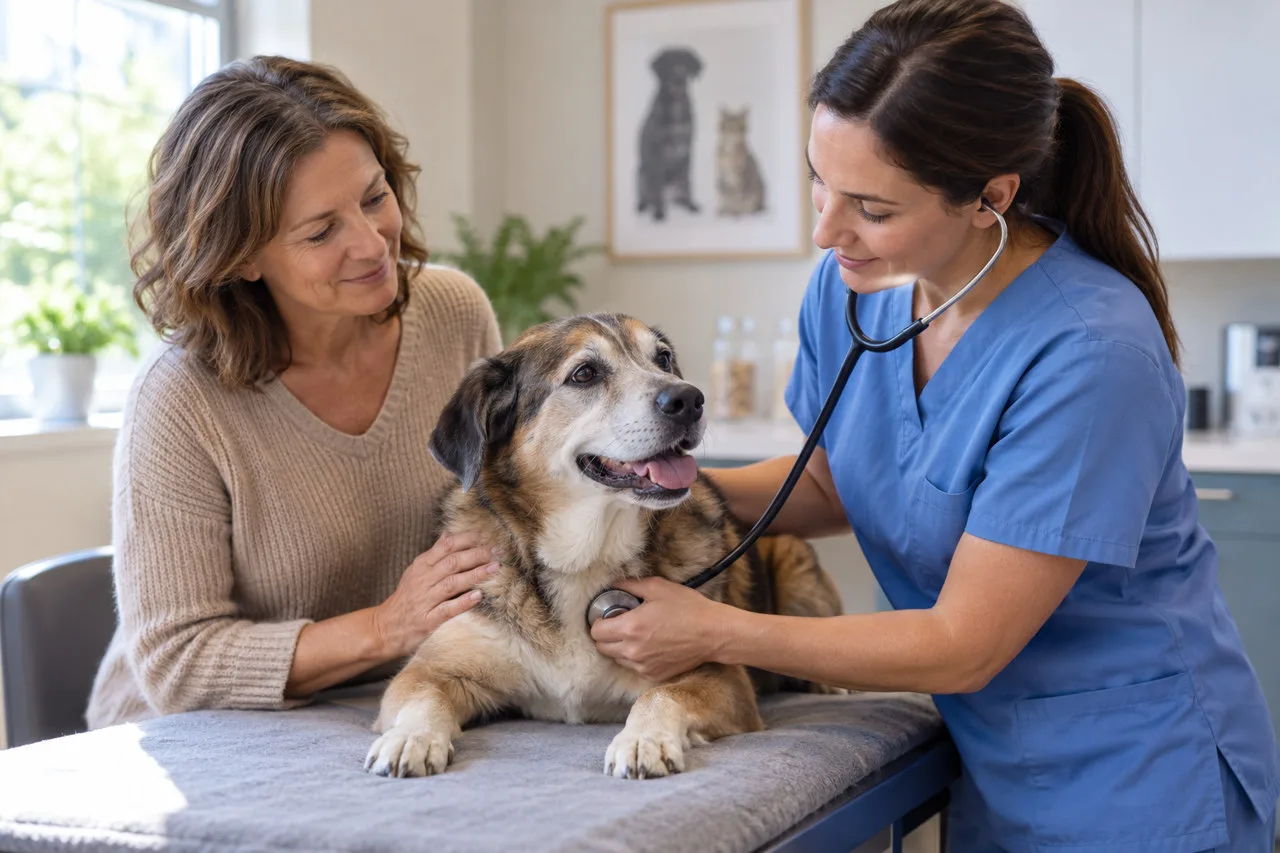
Veterinary professional listening to a dog’s chest beside its owner
✓ Policy-first ✓ Independent ✓ Useful checks
Direct answer
For a dog in California, choose an actual California offer and check both the insurance terms and how you will use it at the veterinary practice. A useful policy plan identifies who pays the clinic, how records are obtained and what another caregiver needs if the regular practice is unavailable.
How it works

Start with the state offer, then test how it will be used

The California Department of Insurance publishes pet-insurance buying questions and an official pet-insurance information hub. Use those resources to identify the questions you need answered, then obtain the actual policy offered for your dog and residence. A general national benefit description does not replace the California version.

Check age and enrollment, prior medical history, covered services, waiting provisions, deductible, reimbursement and limits. A dog’s breed may guide questions, but does not establish that the dog has a disease. Answer application questions accurately and retain the available medical record.

After this basic screen, move beyond the purchase paperwork. Ask whether the proposed payment and records process would still work if a family member had to take the dog to an unfamiliar practice while you were away.

What to know

Give the caregiver a care plan and a payment plan

Practical question Who should confirm it?
Who may authorize examination or treatment? The veterinary practice and owner using its actual consent process.
Who pays the deposit and final bill? The owner/caregiver and practice; confirm available funds and payment rules.
Who can obtain the dog’s records? Each practice holding records, under its release process.
Who can submit or discuss the insurance claim? The insurer, using its account and authorization requirements.
Where are the current medicines and emergency contacts recorded? The owner and treating veterinary team.

These permissions are not interchangeable. Being allowed to take a dog to an appointment does not necessarily grant access to an insurance account. Sharing an insurance card also does not establish that the clinic will wait for reimbursement. Resolve the actual arrangements in advance without sharing passwords.

What to know

“Any licensed vet” does not mean “nothing to pay today”

That can support choice of practice, but it does not promise the practice will extend credit or receive payment directly from the insurer.

Ask the practice about deposits, itemized invoices and the timing of medical-record availability. Ask the insurer how to submit an invoice when the clinical notes are supplied later, and what deadlines apply to the actual policy. Do not infer an exact filing deadline from a different state’s page.

If another insurer offers a veterinarian-payment route, verify it with the particular practice. For example, Pets Best describes an optional route after claim processing; it still requires appropriate arrangements. A feature name alone cannot settle a California hospital’s payment policy.

What to know

Make a new clinic visit understandable to the insurer

Give the treating veterinarian the available medication list and prior clinical information needed for care. For the claim, preserve the new practice’s invoice and records alongside the earlier relevant history. A new hospital name does not make an existing condition new.

If the dog receives initial assessment at one practice and follow-up elsewhere, keep the documents connected to the correct episode. Ask the insurer whether its submission process uses one claim or several linked submissions; do not invent the grouping from the number of invoices.

When a caregiver advances money, keep an accurate record of who paid and ask the insurer how payment documentation and reimbursement should be handled. The insurance contract and account rules decide the claim recipient; this guide does not prescribe a transfer or authorize someone to use another person’s account.

FAQ

Travel and a move need different questions

A temporary trip with the dog and a change of permanent residence are different circumstances. Ask the insurer which geographic treatment rules apply during travel and what must be updated if the dog moves. Do not keep an inaccurate California address just because it produced a preferred quote.

For international travel, do not extend a statement about licensed U.S. veterinarians into a promise of overseas benefits. Obtain the actual territorial wording before relying on it. For any urgent problem, prioritize appropriate veterinary care while another person gathers the policy information.

Keep the California DOI resources with your policy contacts for unresolved insurance questions. The state guide helps you frame the issue; it does not guarantee a particular claim result. A completed plan leaves the caregiver knowing where to seek care, how to pay and how to preserve the evidence afterward.

Evidence

Sources and policy context

These public references support the consumer or veterinary context. Named insurer details were checked in official product materials; the policy offered for your pet and state determines the actual terms.

Next step

Compare Current Pet Insurance Rates

Check current options for your pet and location, then compare the policy details, exclusions, costs, and eligibility before choosing.

Compare the policy before you choose Check the actual offer, exclusions and out-of-pocket terms.
See Rate Options